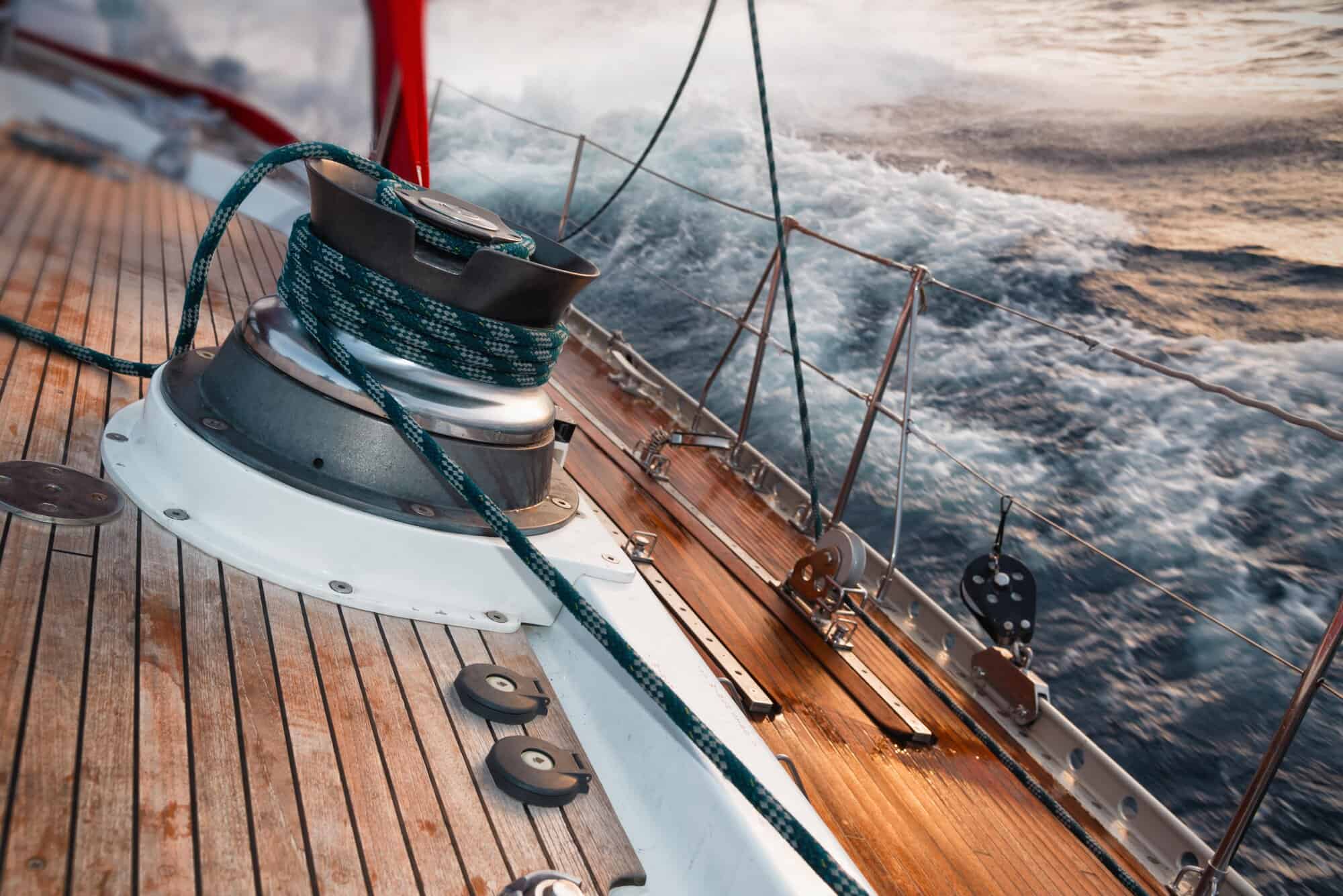
Imagine you are on a ship in January 2020. You are sailing through persistent, choppy waters. You look at the sky, dark clouds are gathering. You notice the small holes. Slowly, the ship is taking on water. You wrap an old rag around wooden plugs and close the holes. You continue sailing.
Two months later, the storm arrives. While you have been through storms before, this time it is different. The waves are relentlessly pounding the ship, days become weeks, and weeks become months. The water comes over the balcony. There are too many holes and the plugs are too weak. There is water everywhere. The sharks are circling the ship. The ship is going down fast.
Before Covid-19, the country and the economy was already in dangerous waters. After a decade of poor leadership, widespread mismanagement and corruption, we didn’t have lifejackets for a pandemic. As the pandemic unfolded, several contentious decisions had a devastating impact on the economy.
Unfortunately, entrepreneurs were left to go down with their ship. According to the 2020 SA SMME Covid-19 Impact Report by Finfind, of the 1489 businesses surveyed, 42.7% closed in the first five months of the pandemic. Going through the numbers from Statistics SA, business liquidations have jumped by 20.8% over the past 12 months. Many well-established businesses, that took decades to build, are simply no longer around or a shadow of their former self. When a business closes, it is not only the entrepreneur that loses. Government coffers lose income tax, VAT and more. Suppliers lose a client. Staff lose their jobs.
Government measures
To date, government measures, including small business loan relief and Covid-19 Temporary Employee-Employer Relief Scheme (TERS) had limited impact. SMME’s were unable to access the loans due to compliance and red tape. With TERS coming to an end, SMME’s that are struggling to keep staff, may accelerate their retrenchments in the months ahead. In some sectors, like tourism and hospitality, the extended lockdown and weak rescue efforts, caused as much damage as the storm itself.
Planning for 2021
Throughout the world, countries are moving to repair and restore their economy. Unfortunately, in South Africa the storm is far from over. Local businesses are grappling with the lower sales, higher operating expenditure and tighter cash flows. Over the next 12 months SMME’s that are still taking too much water on board, will be unable to meet their obligations and sink.
Yet optimism remains on the horizon. Unlike a startup, an established business has considerable assets, expertise and networks to use in a storm.
Firstly, forget about business going back to “normal”. Rather acknowledge the reality and prepare to succeed in stormy waters. Connect with the shifts in your market, there are opportunities emerging throughout the value chain.
Secondly, relook at the business for the next 12 months. Now is the time, to have courageous conversations and make tough decisions. Identify the biggest risks in your business and proactively manage it. Go through each area of the business, focusing on strengths and efficiency.
Thirdly, during the pandemic, it was shocking to find established businesses, not having the fundamentals in place. Now is the time, to resolve outstanding compliance issues in your business so that you can access funding and support in future. Financial management, especially around asset utilisation, cost control and cash reserves can be the difference between sailing and sinking.
Finally, you don’t have to go through the storm alone. Leverage the expertise of an accountant, legal advisor, business mentor and others in your network. It brings greater clarity and confidence to your sailing efforts. As Jimmy Dean said, “I can’t change the direction of the wind, but I can adjust my sails to always reach my destination.”
(This article by Yusuf Mahomedy appeared in the Congress of Business and Economics Newsletter)